








Signature Teas of the World: Why Sancha's Imported Tea Collection Is Different
If you've ever bought "Japanese matcha" or "Chinese oolong" online in India and felt underwhelmed, you're not alone. Much of what's sold as authentic world tea in Indian markets is either blended locally, mislabeled, or imported without the food-safety rigor these delicate teas actually require.
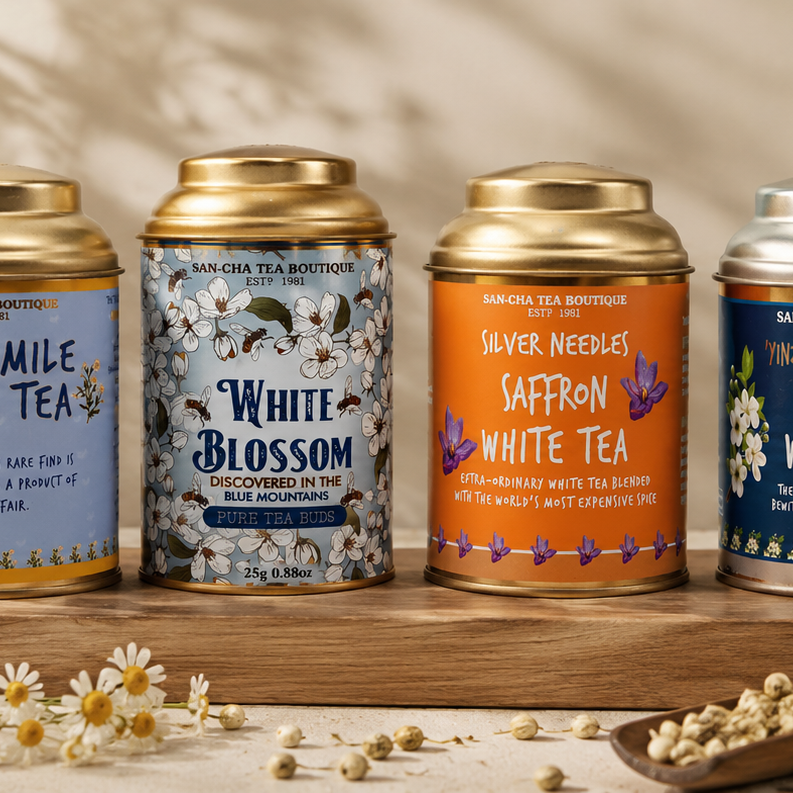
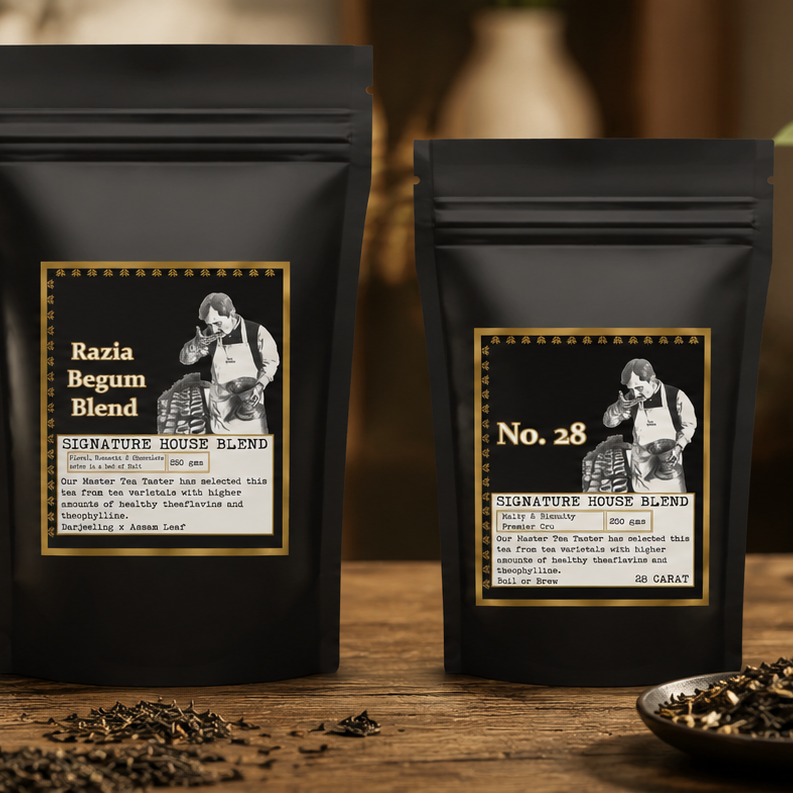
Sancha Tea has been India's tea house since 1981, mentored under Sanjay Kapur, one of India's most respected Master Tea Tasters. Our Signature Teas of the World collection exists because we wanted Indian tea drinkers to have access to the real thing — teas imported directly from growers in Japan and China, cleared under strict food-safety regulations, with nothing lost in translation.
Here's what makes this collection worth exploring, tea by tea.
What Makes This Collection Different
Three things set this collection apart from most "international tea" you'll find online in India:
- Direct grower relationships. We work closely with the farms and gardens these teas come from in Japan and China, rather than buying through generic wholesale importers.
- Strict food-safety compliance. Every batch clears rigorous import food-safety regulations — a standard not every brand in this space follows consistently.
- Genuine origin diversity. From Fujian jasmine teas to Uji-style Japanese green teas, this is one of the few Indian retail tea collections offering this breadth of authentic imported tea in one place.
Explore the Collection
Japanese Green Teas: Matcha, Gyokuro, Hojicha & Genmaicha
Japan's green teas are prized for their umami depth, and this collection covers the full spectrum:
- Super Matcha – Ceremonial Grade — a vividly green, ceremonial-grade matcha for traditional whisked preparation.
- Superior Matcha – Ceremonial Grade — a smooth, everyday ceremonial-grade option.
- The Daily Matcha — an accessible matcha built for lattes and daily energy rituals.
- Gyokuro — a shade-grown Japanese green tea known for its rich, sweet, umami character, freshly imported.
- Hōjicha — roasted green tea with a toasty, nutty, naturally low-caffeine profile.
- Genmaicha — green tea blended with roasted rice for a comforting, savory cup.
Chinese Teas: Jasmine, Pu-erh, Oolong & Blooming Teas
China's tea traditions run deep, and this range reflects that diversity:
- Jasmine Green Tea — Fujian-origin green tea layered with natural jasmine aroma.
- Jasmine Pearls — hand-rolled tea pearls that unfurl slowly, releasing jasmine fragrance as they steep.
- Jasmine Silver Needle White Tea — made from the youngest tea leaves, prized for its delicate sweetness.
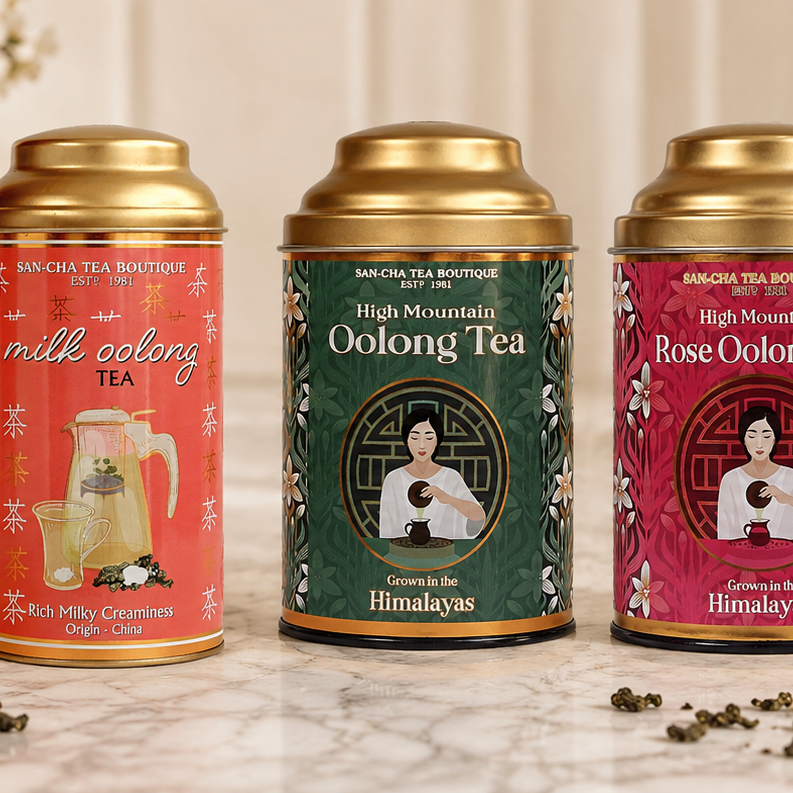
- Tie Guan Yin Oolong — the classic "Iron Goddess of Mercy," a floral, lightly roasted oolong.
- Milk Oolong — naturally creamy in character, without any added dairy.
- Wu Yi Mountain Oolong — a floral, toasty rock oolong from China's Wuyi mountains.
- Jasmine Oolong — a rare pairing of oolong processing with jasmine scenting.
- Peach Oolong and Pineapple Oolong — fruit-infused oolongs for a lighter, sweeter cup.
- Jasmine Pu-erh — aged, earthy pu-erh finished with jasmine.
- Dragon Lily Blooming Tea and Jasmine Blooming Tea — hand-tied tea flowers that open into full bloom as they steep, as much a visual ritual as a beverage.
- Lapsang Souchong — a smoked black tea in the Russian Caravan style.
- Lychee Black Tea — a fruity, floral black tea blend.
Caffeine-Free Herbal Picks From the Same Collection
- Rose Buds Herbal Infusion — imported from China, a floral, caffeine-free elixir.
- Barley Tea — roasted, nutty, and naturally caffeine-free.
How to Choose Your First Import Tea
- New to matcha? Start with The Daily Matcha before moving to ceremonial grades like Super Matcha or Superior Matcha.
- Want something visually striking for guests? The Blooming Teas double as a tableside ritual.
- Prefer deep, aged flavor? Jasmine Pu-erh and Lapsang Souchong are the most robust options in the range.
- Looking for a floral, everyday green tea? Jasmine Green Tea or Jasmine Pearls are the easiest entry points.
Frequently Asked Questions
Is Sancha's matcha ceremonial grade? Yes — the collection includes two ceremonial-grade matchas (Super Matcha and Superior Matcha) alongside The Daily Matcha, a culinary-grade option better suited for lattes and everyday drinking.
Where does Sancha import its Japanese and Chinese teas from? Teas in this collection are sourced directly from tea gardens and growers in Japan (for green teas like matcha, gyokuro, hojicha, and genmaicha) and China (for jasmine, oolong, pu-erh, and blooming teas, largely from regions like Fujian).
Are these teas food-safety compliant for import into India? Yes. Every batch in this collection is cleared under strict food-safety import regulations before reaching Sancha's warehouse — a standard the brand treats as non-negotiable.
What is a blooming tea? A blooming tea is hand-tied tea leaves and flowers that unfurl into a full bloom shape when steeped in hot water — as much a visual experience as a beverage.
Does Sancha ship internationally sourced teas across India? Yes, Sancha dispatches orders within 24 hours with pan-India delivery in 2–7 days.
